


Getting started
The benefits of smart home automation for Pakistani homes
Neolux Smart team ·
In short
Home automation lets you control lights, curtains, air conditioning and door locks from wall panels, your phone or your voice, and lets the house run routines on its own. In Pakistan the biggest gains are comfort during long summers, lower electricity use through schedules and sensors, and knowing your home is secure when you are away.
What home automation means
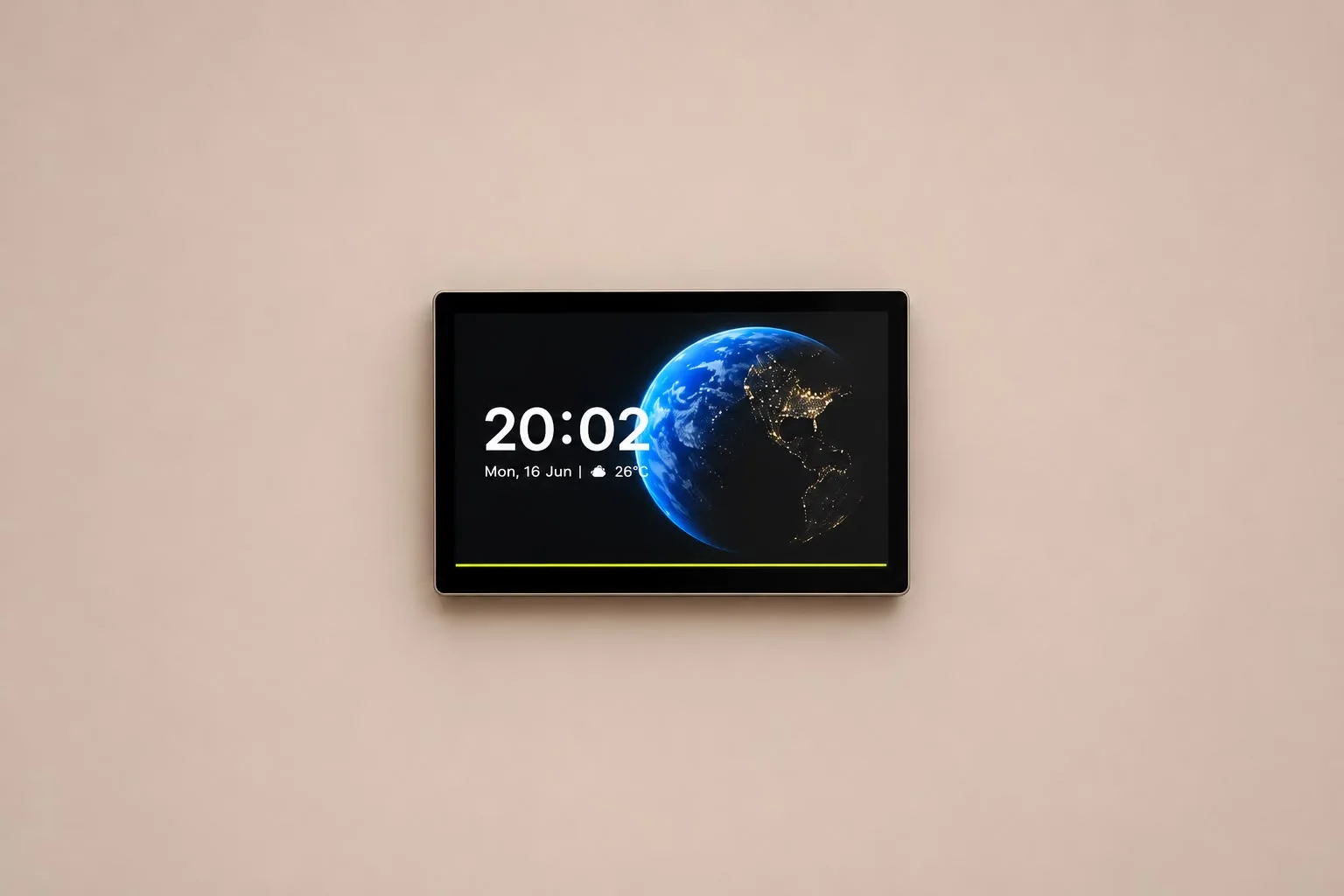
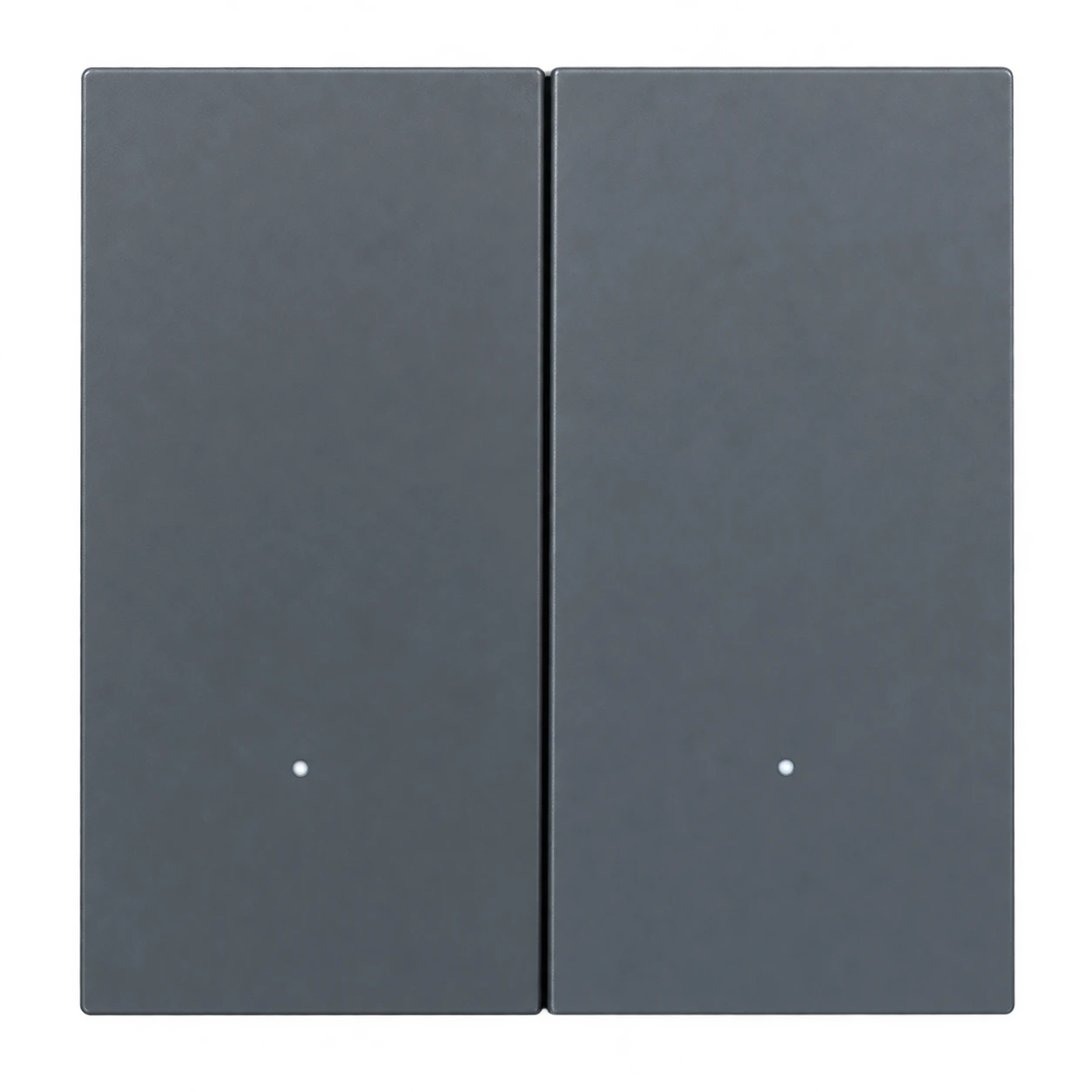
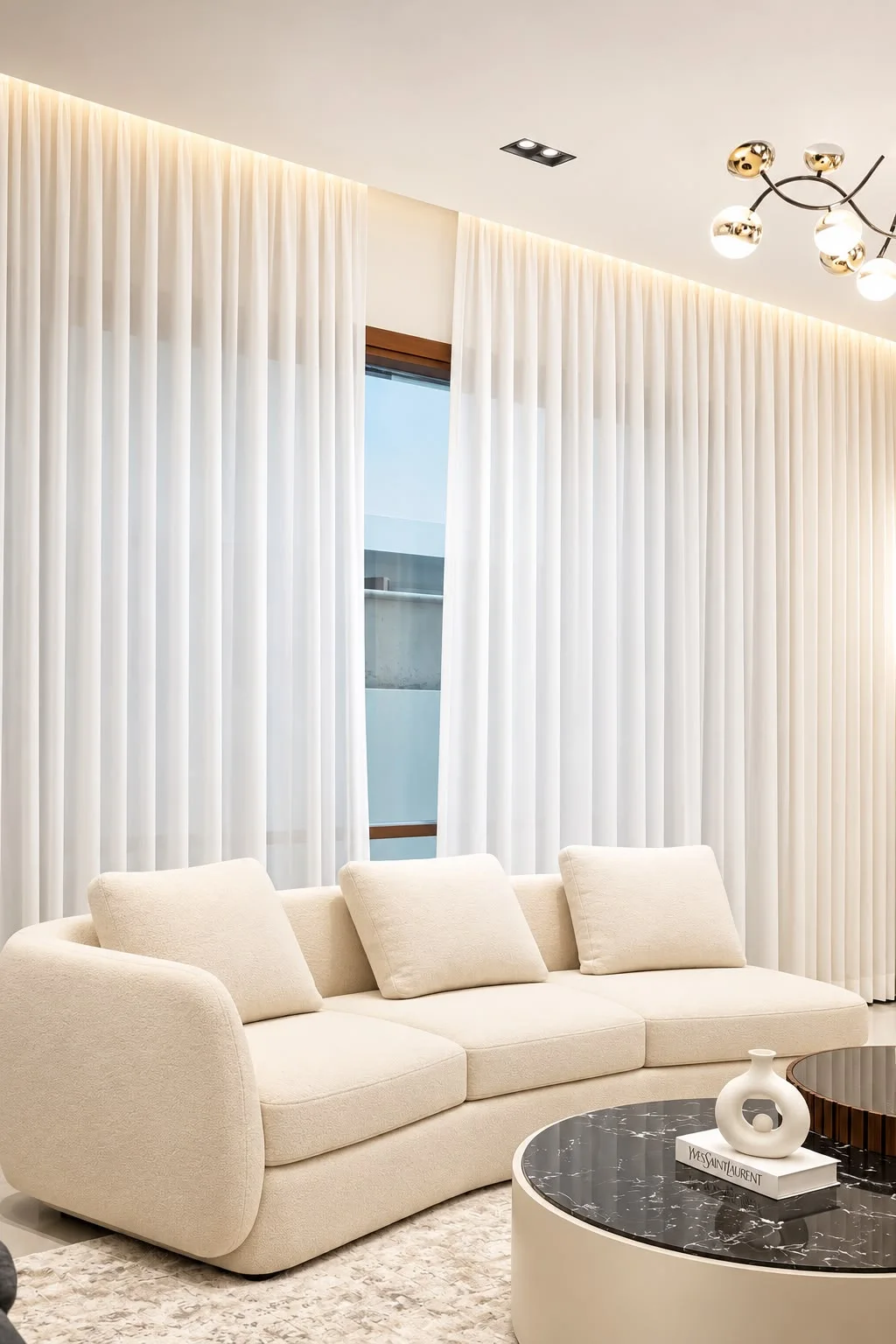
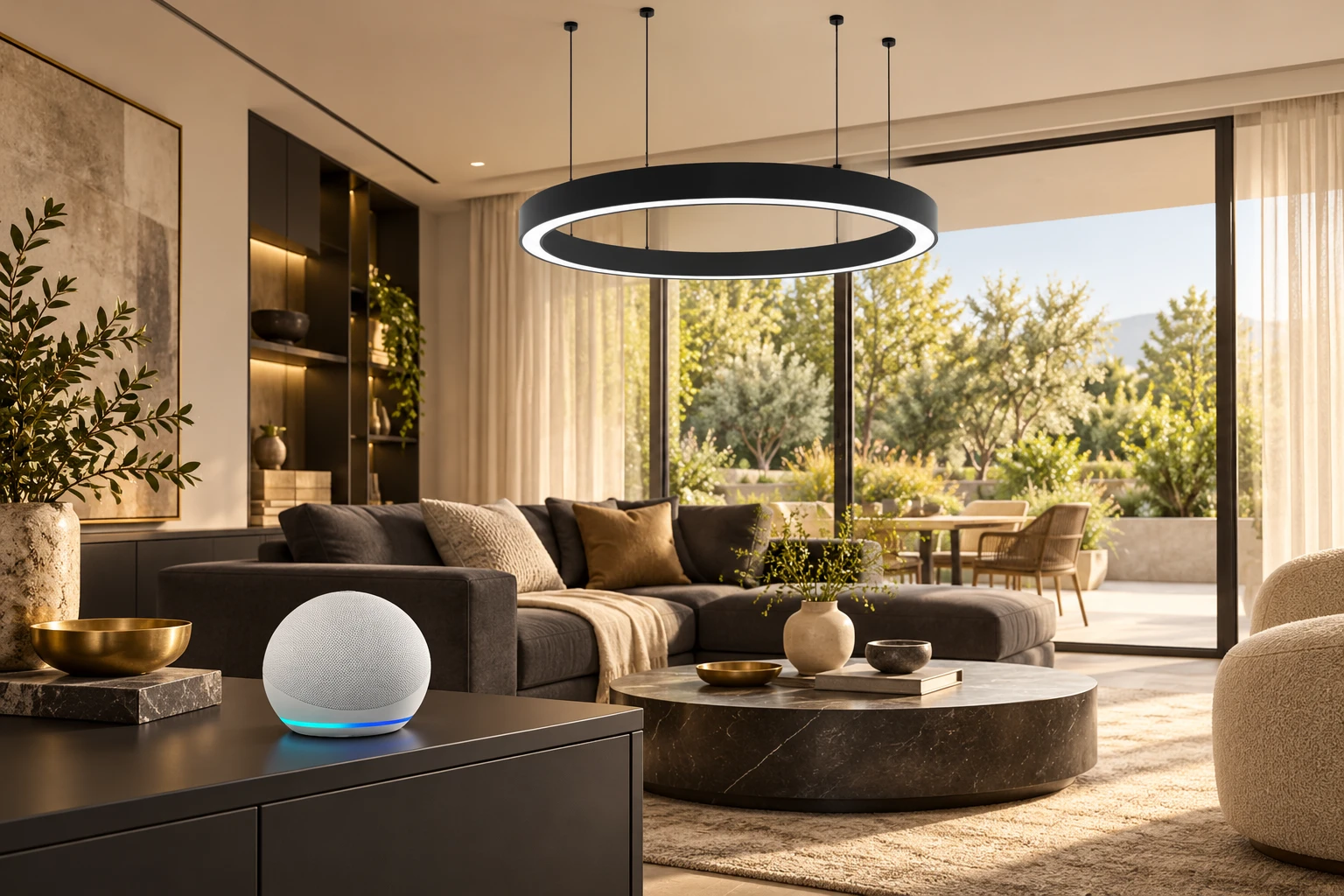
A smart home connects everyday electrical items — light circuits, curtain motors, AC units, sockets and locks — to one system. You still have switches on the wall, but you can also control everything from the Smart Life app, a touch control panel or a voice assistant, and set the house to react on its own.
Nothing about the basics changes for guests or older family members: a smart touch switch still turns a light on and off. The difference is what happens when nobody touches anything.
Comfort when it is 40 °C outside
Schedules can switch the bedroom AC on before you go to bed, draw the curtains against afternoon sun and turn the lounge lights on at sunset. A Wi-Fi IR remote brings existing air conditioners and TVs into the same app, so you can cool a room before you get home.
Lower electricity use
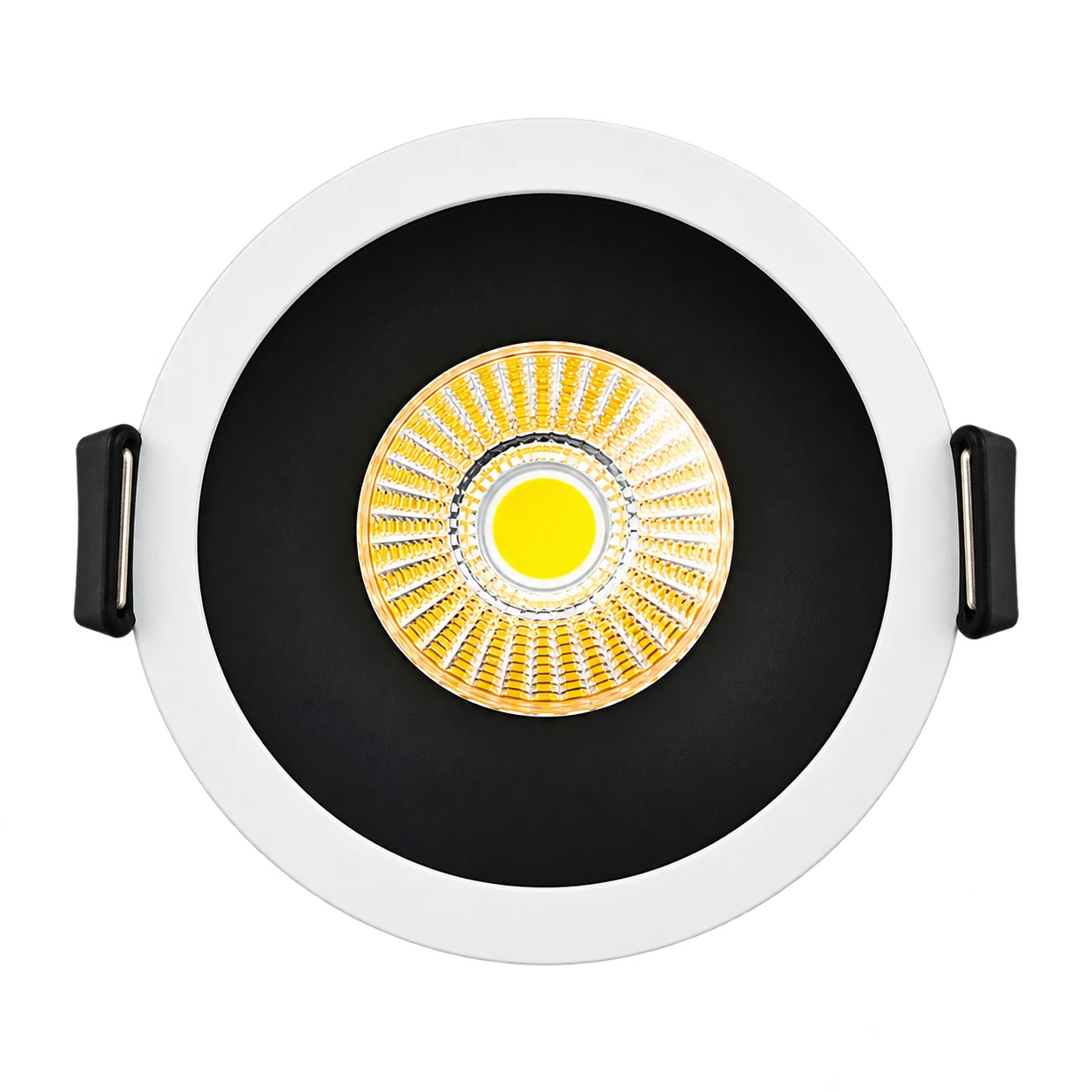
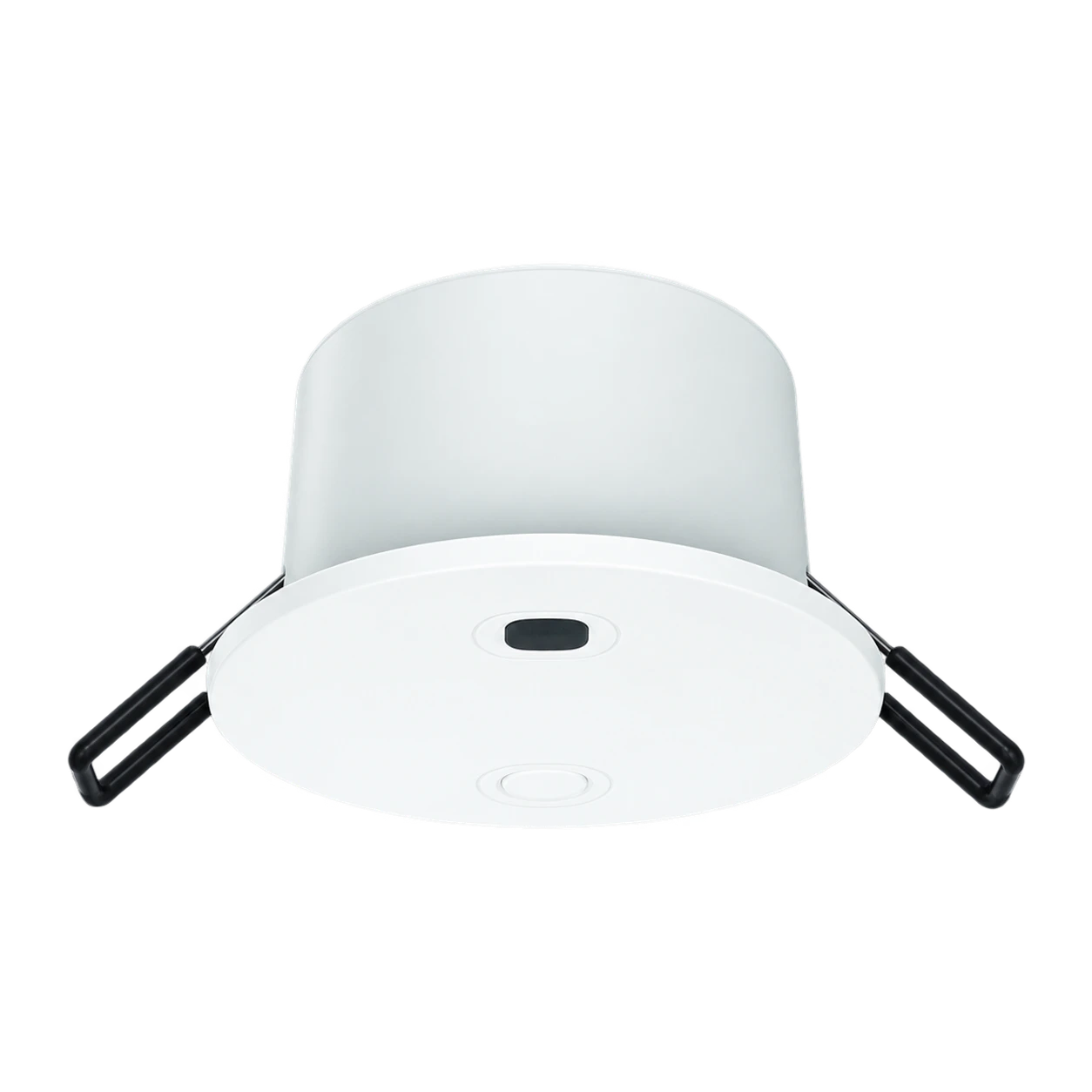
Most waste comes from things left on in empty rooms. Presence and motion sensors switch lights off when a room is empty, smart sockets put geysers, heaters and lamps on timers, and dimmers run lights at the level you actually need.
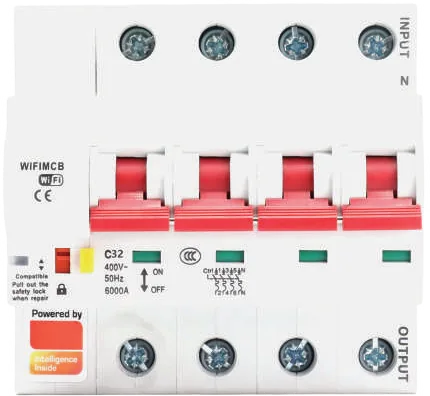
For offices and commercial sites, a smart breaker with energy metering shows where power goes and allows circuits to be switched off remotely.
- Lights switch off when rooms are empty
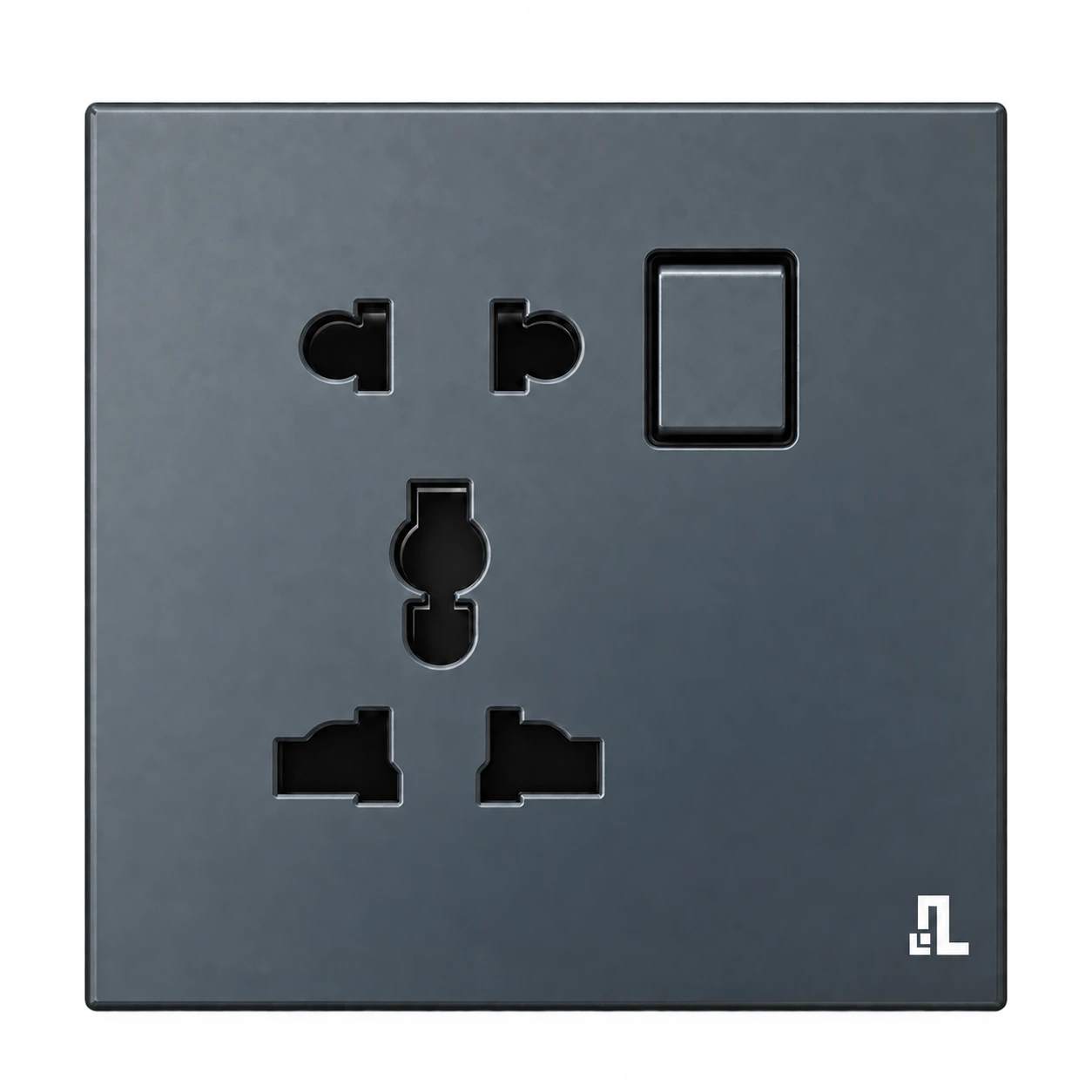
- Geysers and heaters run on a timer, not all day
- AC units follow a schedule instead of being left on
- Energy monitoring shows which circuits use the most
Security you can check from anywhere
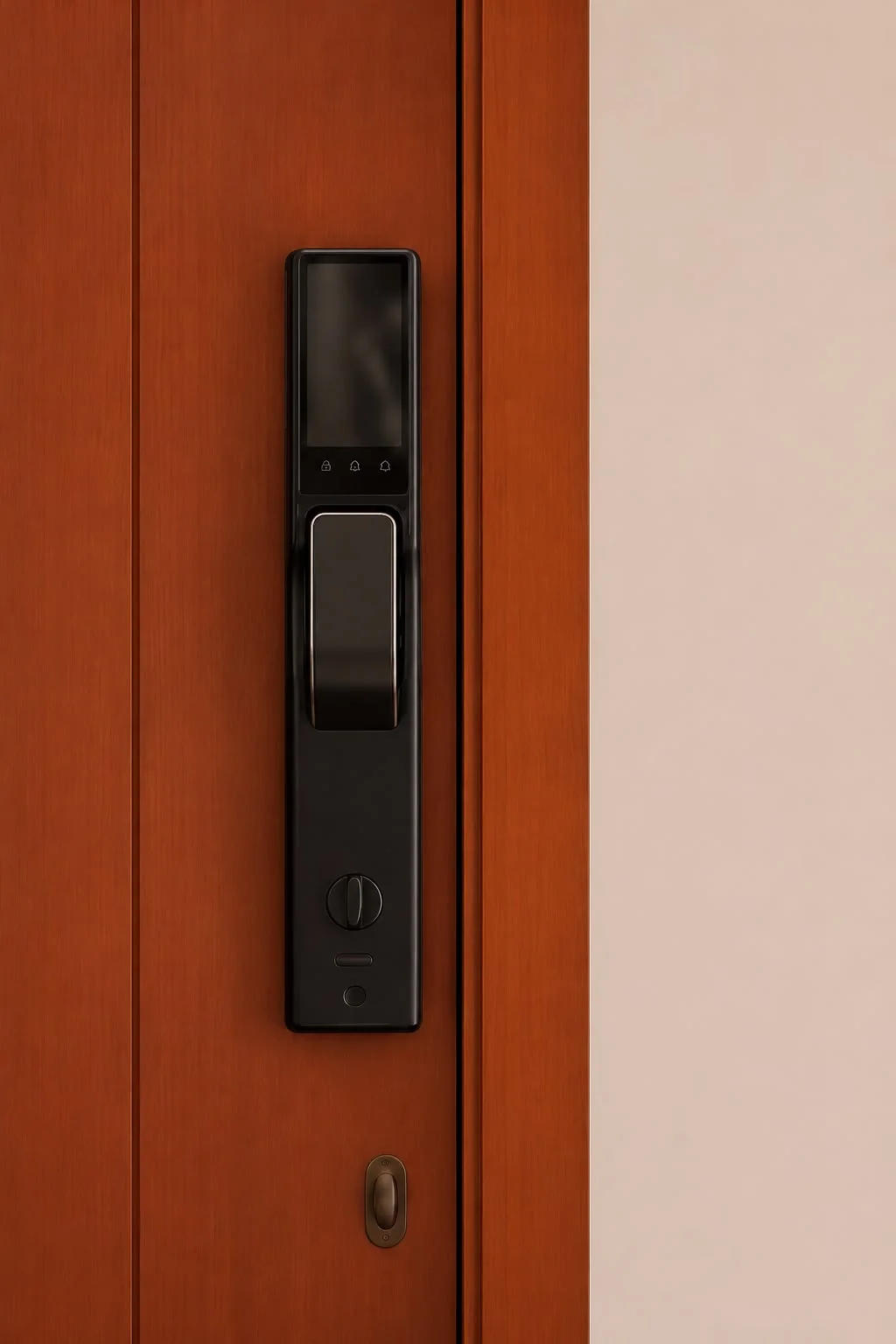
Smart door locks open by fingerprint, PIN or app and keep a log of who came in and when. Door and window sensors send an alert to your phone the moment something opens, and lights can turn on at night to make the house look occupied while you travel.
Conventional home vs automated home
| Conventional | Automated | |
|---|---|---|
| Lights | Switch by switch | Scenes, schedules, sensors, app and voice |
| Curtains | Pulled by hand | Motorised, timed to sunrise or sunset |
| Air conditioning | Remote in each room | Scheduled and controlled from anywhere |
| Main door | Keys | Fingerprint, PIN, app, with an access log |
| Away from home | No visibility | Alerts and remote control on your phone |
Is it worth it?
For most families the answer depends on where you start. Smart switches and lighting control in the main living areas give the most daily value, then curtains, locks and sensors can be added over time. A site survey tells you what your wiring supports and which upgrades make sense for your home.
Questions people ask
Do I need to rewire my home for automation?
Usually not. Neolux smart switches fit standard back boxes, so most homes need no new wiring. New builds can be planned for a fully wired system from the start.
What happens during load-shedding?
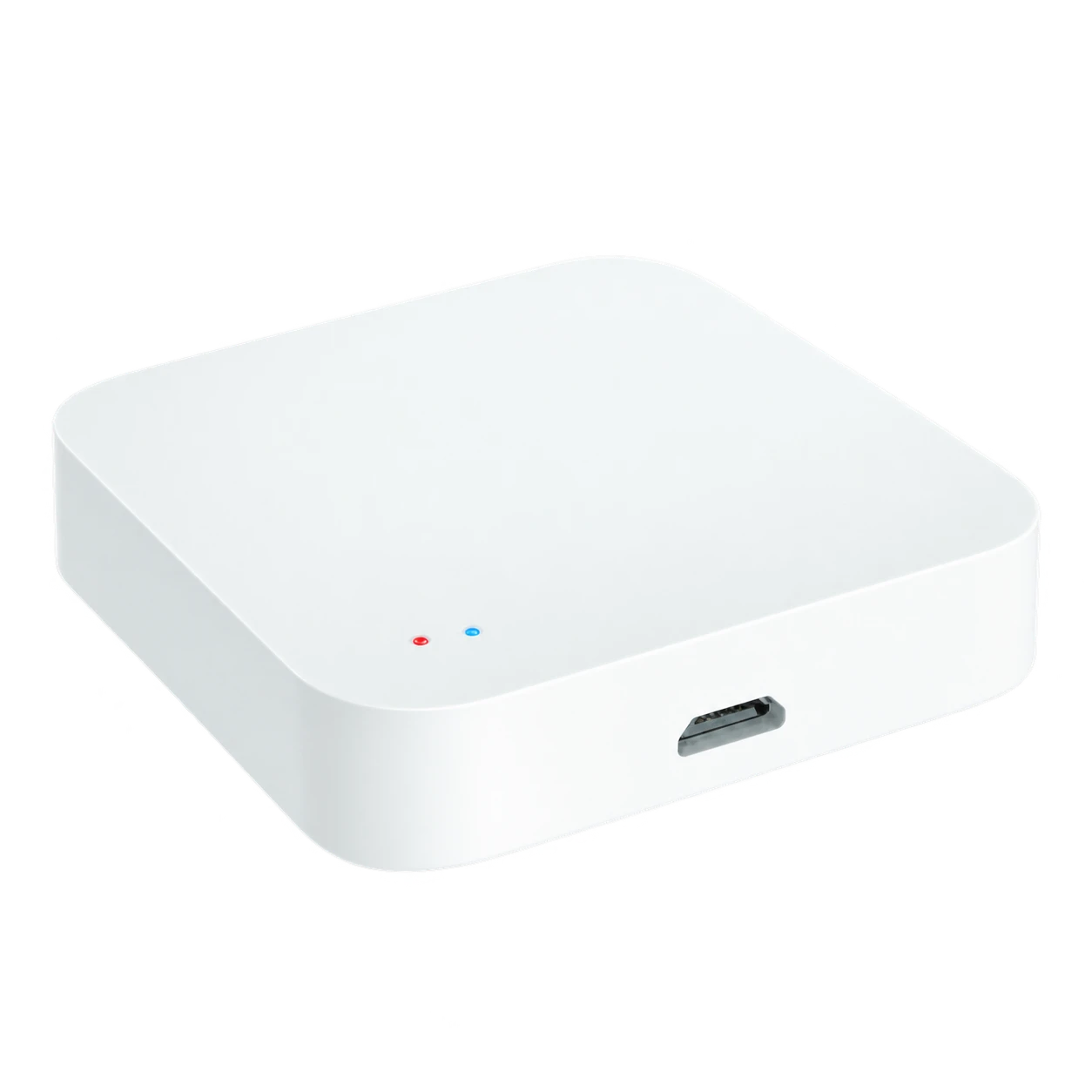
Smart devices need power like any other electrical item. Keeping the Wi-Fi router and the smart home hub on a UPS keeps remote access and automations working as soon as power is available.
Can I control everything from one app?
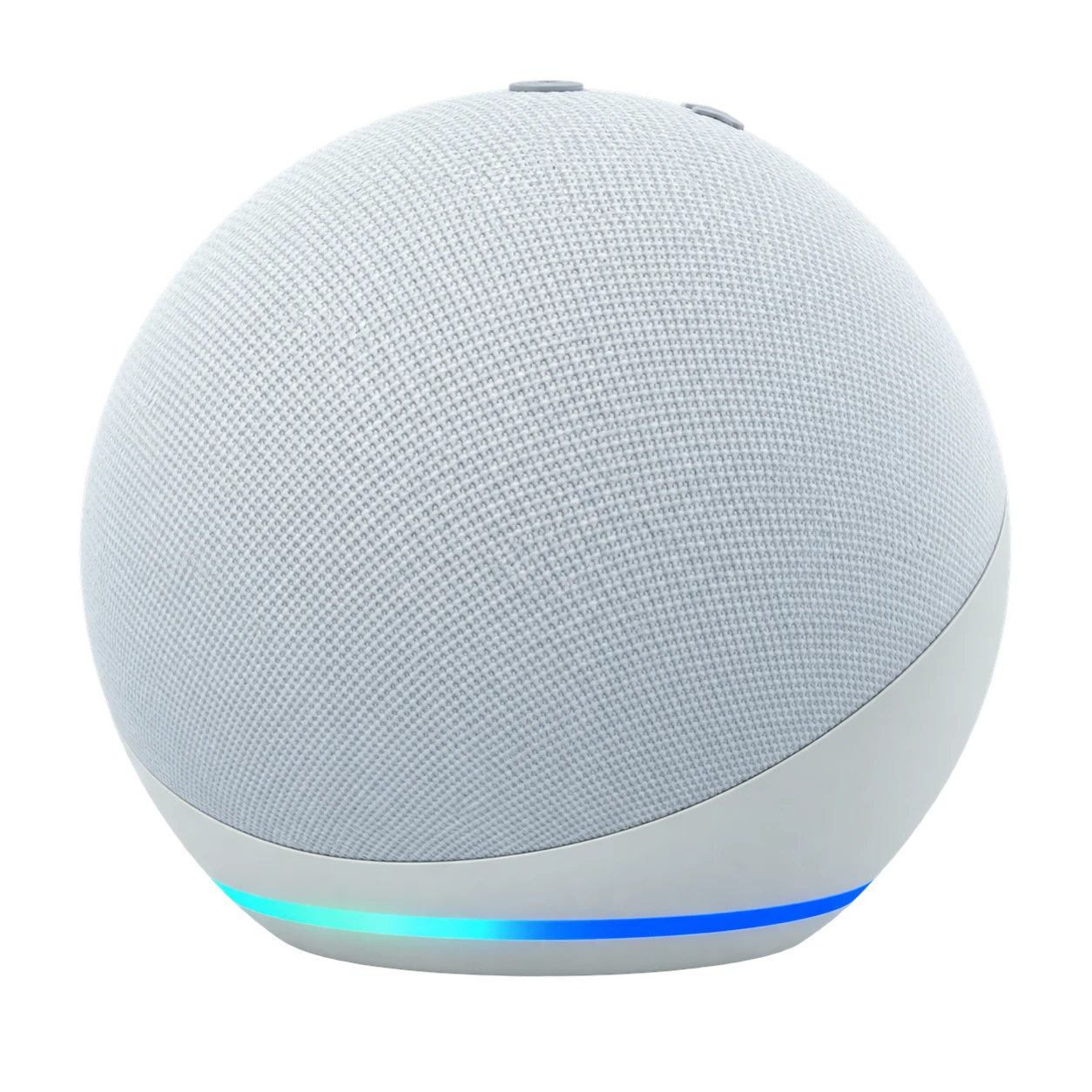
Yes. Neolux devices run on the Smart Life app for iOS and Android, and work with Alexa, Google Assistant and Siri Shortcuts.
