



Energy
How smart home automation helps cut electricity bills
Neolux Smart team ·
In short
Automation saves electricity by making sure appliances run only when they are needed: AC units on schedules, lights that switch off in empty rooms, geysers and heaters on timers, and energy monitoring that shows where the units go.
Air conditioning: the biggest load
A Wi-Fi IR remote brings existing AC units into the Smart Life app. Set them to switch on shortly before you arrive or go to bed and off when you leave, instead of cooling empty rooms. Curtains that close against afternoon sun help rooms stay cooler.
Lights that switch themselves off
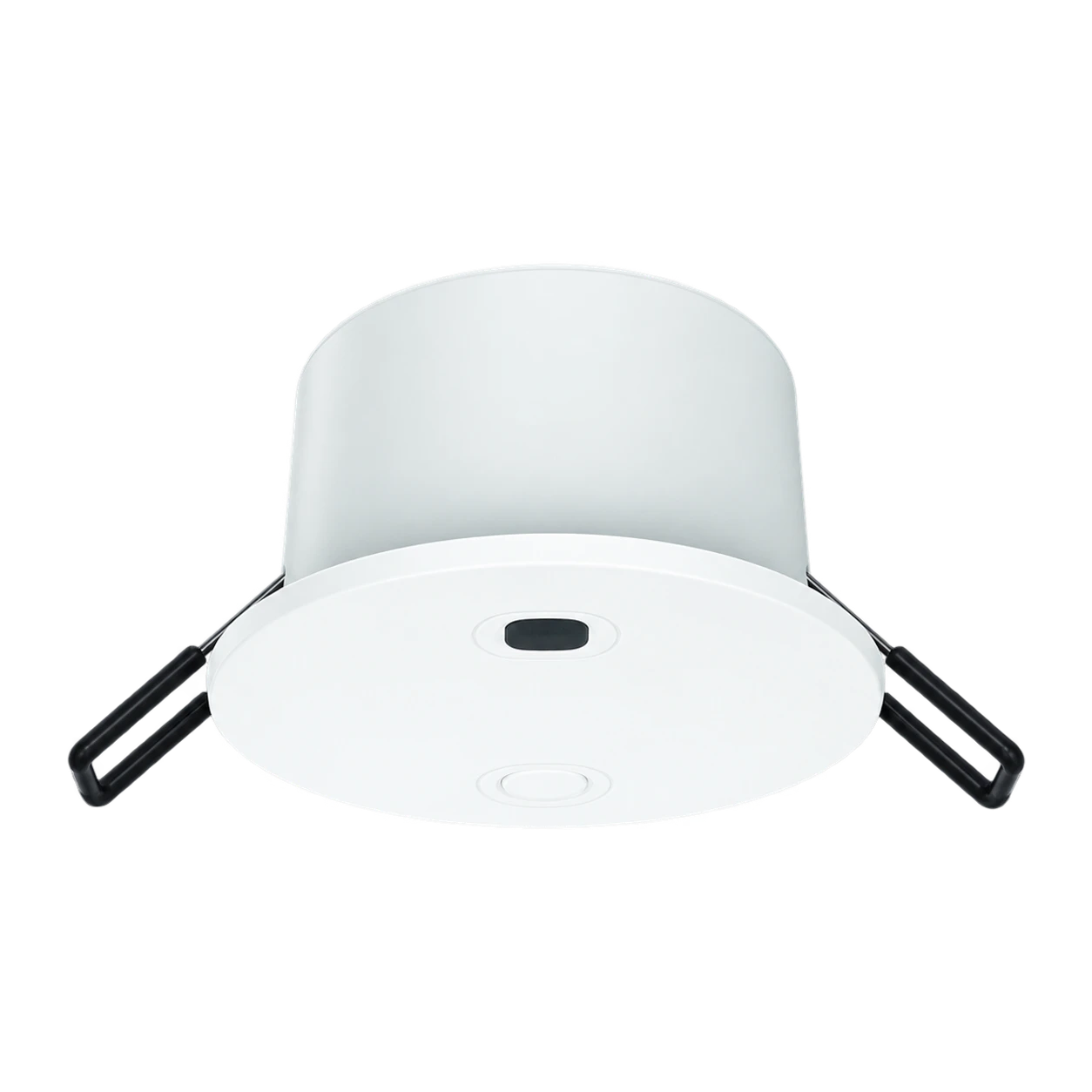
Motion sensors suit corridors, stairs and bathrooms. Radar presence sensors detect people who are sitting still, so they suit offices and lounges where a motion sensor might switch lights off too early.
Geysers, heaters and other plug loads
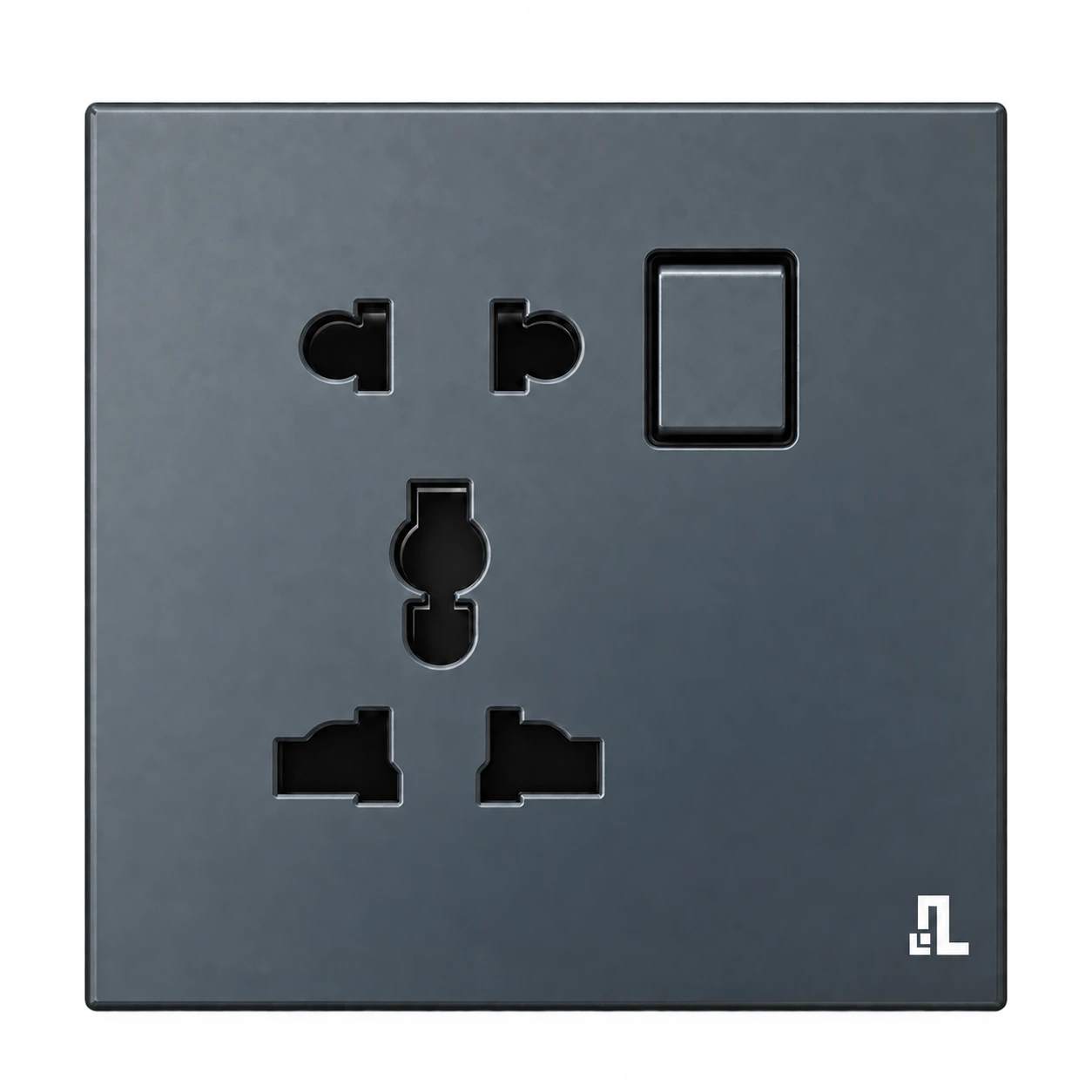
Smart sockets put geysers, heaters and lamps on timers and routines, and show what each appliance really uses through energy monitoring.
Offices and commercial sites
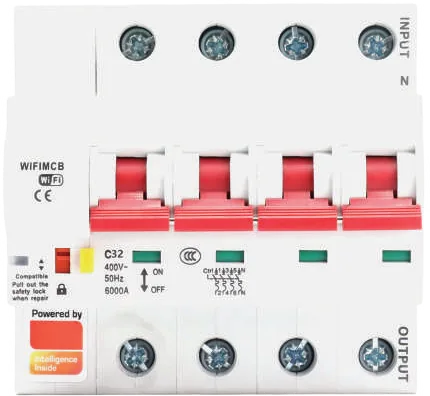
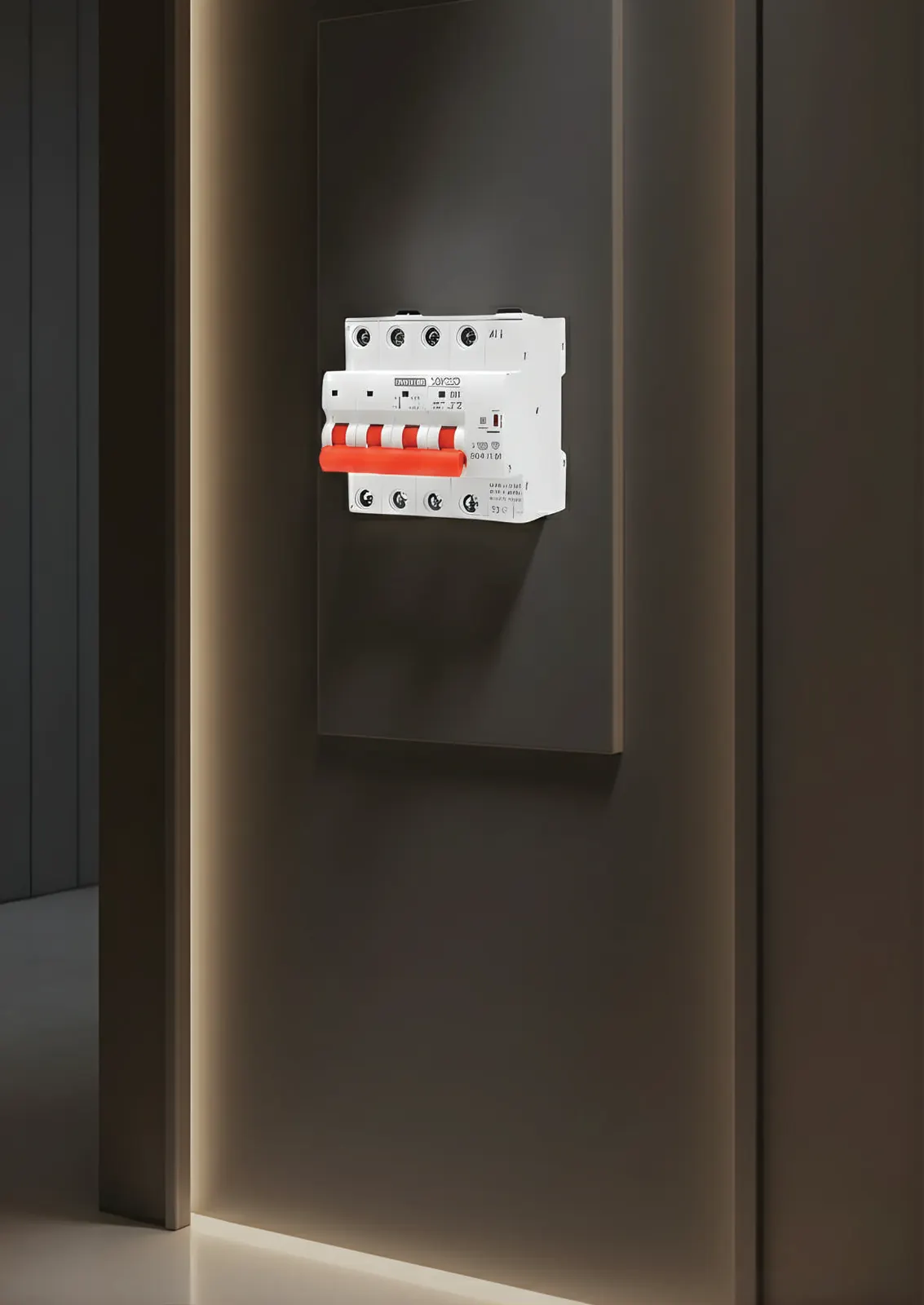
A 4-pole smart breaker with energy metering lets a facility team see consumption per circuit and switch circuits on or off remotely, which helps close a building down properly at night and over weekends.
Where the savings come from
| Load | Automation | Device |
|---|---|---|
| AC units | Schedules, remote off | Wi-Fi IR remote |
| Lighting | Off in empty rooms, dimming | Motion / presence sensors, dimmers |
| Geysers, heaters | Timers | Smart socket |
| Whole circuits | Monitoring, remote off | Smart breaker |
Questions people ask
How much can automation save?
It depends on how the home is used today. The largest savings come from AC and lights that are currently left on in empty rooms; energy monitoring shows the before and after for your own home.
Can I control my existing AC units?
Yes. A Wi-Fi IR remote controls air conditioners, TVs and fans that use an infrared remote, from the app or by voice.
